


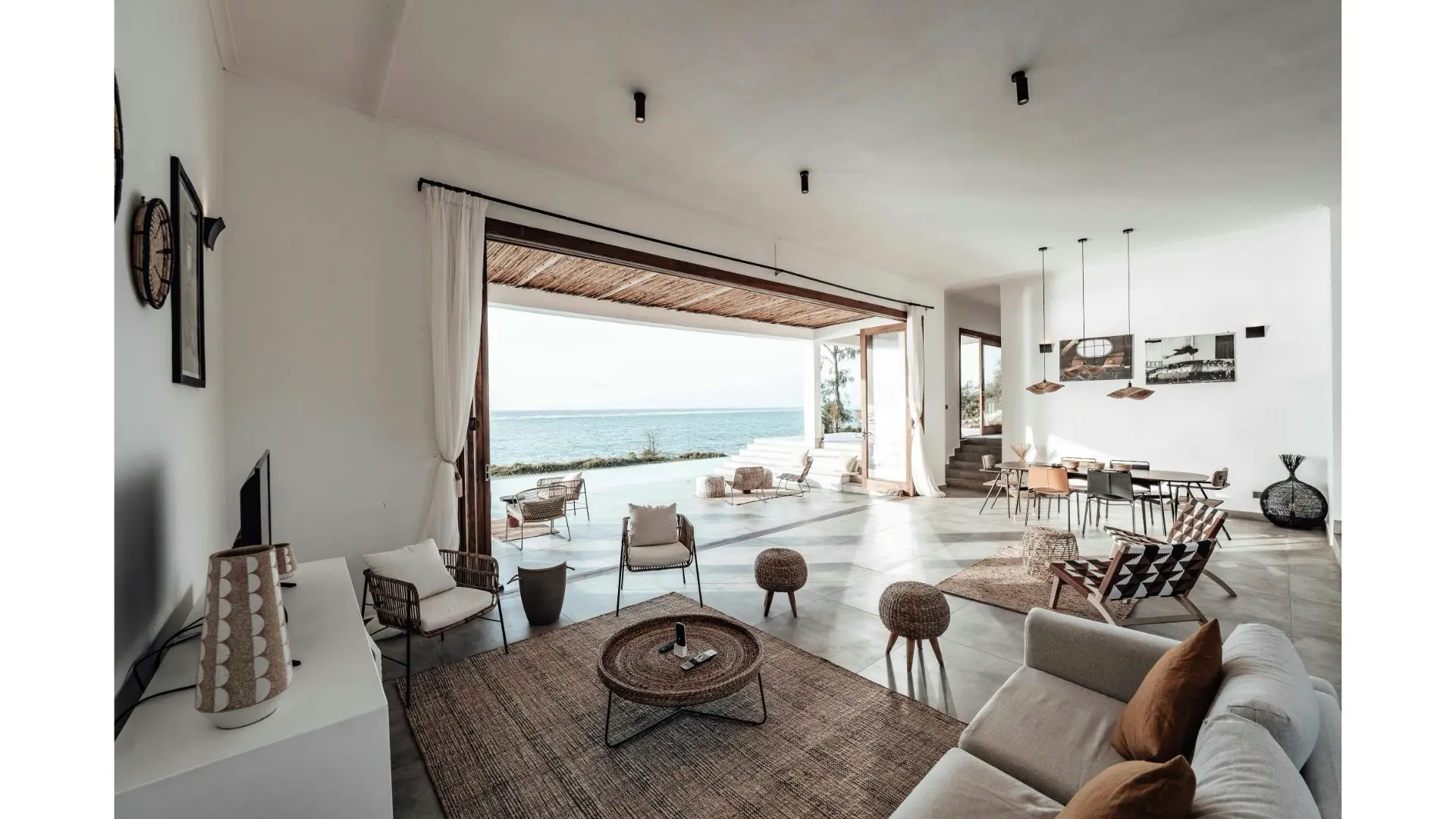
When buying a furnished property in Spain, many buyers want to understand how furniture is taxed and whether it can be treated separately from the property price.
In some cases, part of the purchase price can be allocated to furniture and appliances, which may have different tax implications.
However, this is not a simple way to reduce taxes. It must be handled carefully and properly documented to avoid problems with the Spanish tax authorities.
Can Furniture Be Separated from the Property Price for Tax Purposes?
Yes, it is perfectly legal, provided that:
👉 The furniture and appliances are genuinely included in the transaction
👉 They have a real and reasonable market value
This is not about artificially reducing the value of the property, but about reflecting the actual agreement between buyer and seller.
How are furniture and property taxed in Spain?
In a resale property purchase:
- The property is subject to Property Transfer Tax (ITP) ( 10% in the Costa Blanca, 9% form first of June 2026)
- Furniture is taxed separately as movable assets- ( 6% in the Costa Blanca)
In regions like the Valencian Community:
- Property tax rates are generally higher
- Furniture is usually taxed at a lower rate
👉 This can create a difference, but the benefit depends on each case.
When does it make sense to separate furniture?
This approach may be relevant when:
- The property is sold fully furnished
- Furniture and appliances have significant value
- The buyer intends to rent the property
In rental situations, furniture can often be depreciated faster than the property itself, which may provide additional tax advantages.
Common mistakes to avoid
This is where most problems occur:
- Assigning unrealistic or inflated values to furniture
- Failing to document what is included
- Not reflecting the breakdown in the purchase deed
- Trying to use it purely as a tax reduction strategy
👉 Spanish tax authorities may challenge the transaction if the values are not justified.
How to do it correctly
To apply this correctly, you should:
- Prepare a detailed inventory of furniture
- Assign reasonable values
- Include the breakdown in the notarial deed
- Keep supporting documentation (photos, inventory, invoices, etc.)
Impact on the seller
For the seller:
- A lower property value may reduce capital gains tax
- Furniture is usually sold at a loss (which is not deductible)
👉 The tax impact exists, but it is usually moderate.
Professional advice before signing
Separating the value of furniture can be beneficial in some cases, but it is not always advisable.
Before signing the purchase:
- Review the real value of the furniture
- Analyse the tax impact
- Ensure proper documentation
👉 In many cases, the safest option is not to apply it.
Conclusion
Including furniture separately in a property purchase in Spain is a legal option, but it must be used carefully.
It is not a “tax trick”, but a technical decision that should be reviewed by a professional before signing.
It means that, when buying a resale property in Spain, part of the agreed purchase price is assigned to furniture and appliances instead of being attributed entirely to the property itself. This must reflect the real transaction and be properly documented.
Not necessarily. In Spain, furniture and appliances may be taxed differently from the property itself. However, the exact tax treatment depends on the region and on how the transaction is documented.
Yes. If the value assigned to furniture is unrealistic, excessive or poorly documented, the tax authorities may review the transaction and recalculate the taxes due.
No. This should only be done when the furniture is genuinely included in the sale and has a real, supportable value. In many cases, separating it is not necessary or advisable.
The safest approach is to prepare a detailed inventory, assign reasonable values, include the breakdown in the deed or an annex, and keep supporting evidence such as photos and written records.